
Applications
Home > Applications
Precision CNC Machining Applications & Industry Solutions | Ruidian Precision
CNC Turning Parts & Service Applications
CNC turning is a cornerstone of precision manufacturing, leveraging computer numerical control to produce high-accuracy, rotationally symmetric parts with exceptional efficiency and consistency. From simple fasteners to complex aerospace components, CNC turning parts and services are integral to countless industries, driving innovation and reliability across global supply chains. This guide explores the core products, key applications, and industry-specific use cases of CNC turning, helping you understand its value and versatility in modern manufacturing.
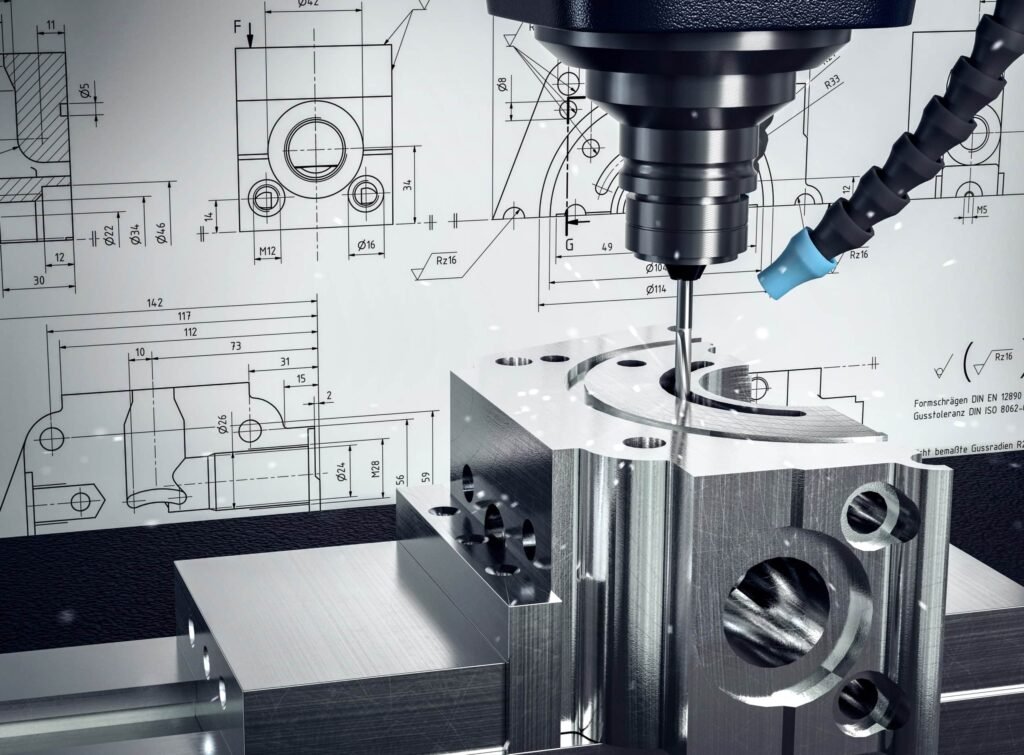
1. What Are CNC Turning Parts & Services?
CNC turning is a subtractive machining process where a rotating workpiece is shaped by a stationary cutting tool, guided by pre-programmed CNC instructions. This process excels at creating cylindrical, conical, or threaded components—from small, intricate parts to large, heavy-duty components—with tight tolerances (often as low as ±0.003mm) and superior surface finish.
Our CNC turning services cover the full production cycle, including design optimization, material selection, precision turning, secondary machining (such as milling or drilling), surface treatment, and quality inspection. We specialize in both standard and custom CNC turning parts, tailored to meet the unique requirements of diverse industries and applications.
2. Core CNC Turning Products & Their Key Features
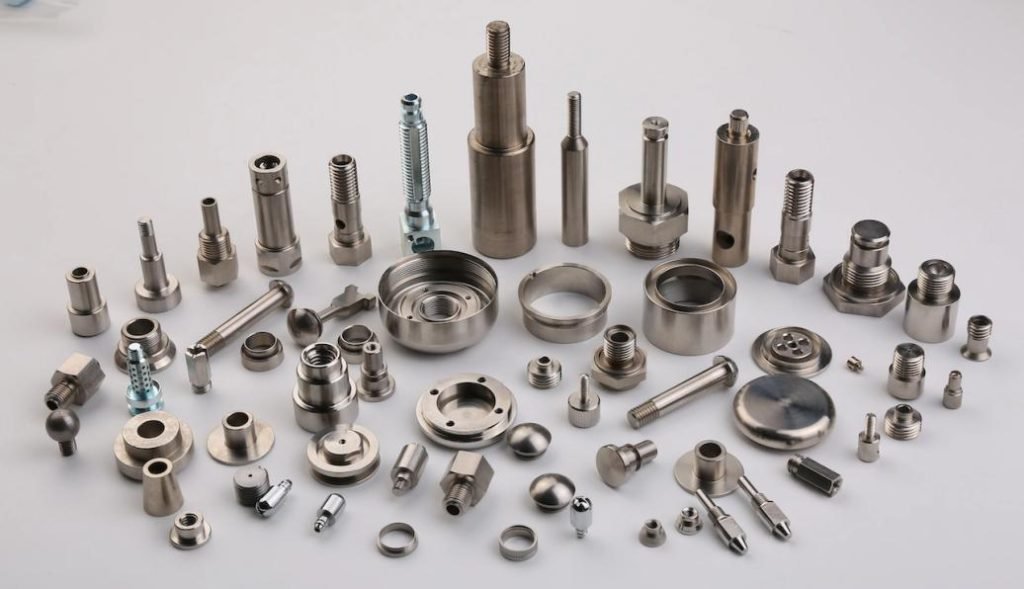
CNC turning parts are available in a wide range of configurations, materials, and specifications, designed to fit specific functional needs. Below are the most common products and their critical features, along with key technical parameters for reference:
Product Type | Material Range | Tolerance Range | Surface Finish | Typical Size Range |
|---|---|---|---|---|
Shafts & Axles | Carbon Steel, Stainless Steel, Aluminum Alloys, Titanium | ±0.003mm – ±0.01mm | Ra 0.8 – Ra 3.2 μm | Diameter: 2mm – 100mm; Length: 10mm – 1000mm |
Bushings & Sleeves | Brass, Bronze, Stainless Steel, PEEK | ±0.005mm – ±0.015mm | Ra 1.6 – Ra 6.3 μm | Diameter: 5mm – 80mm; Length: 10mm – 500mm |
Fasteners & Threaded Components | Carbon Steel, Stainless Steel, Brass, Titanium | ±0.003mm – ±0.008mm | Ra 1.6 – Ra 3.2 μm | Diameter: 1mm – 50mm; Length: 5mm – 200mm |
Custom Precision Components | Customized (Metals, Plastics, Composites) | ±0.001mm – ±0.01mm | Ra 0.4 – Ra 6.3 μm | Customized per Design Requirements |
2.1 Shafts & Axles
Shafts and axles are the most widely used CNC turning parts, serving as core components in machinery, motors, and vehicles. Key features include precise concentricity, high tensile strength, and custom lengths/diameters. Materials range from carbon steel and stainless steel to aluminum alloys and titanium, depending on load and environmental requirements. Common applications include motor shafts, gear shafts, and transmission axles.
2.2 Bushings & Sleeves
Bushings and sleeves provide wear resistance and alignment for moving parts, reducing friction and extending component lifespan. CNC turning ensures uniform wall thickness, tight dimensional accuracy, and compatibility with mating parts. These parts are widely used in hydraulic systems, automotive assemblies, and industrial machinery.
2.3 Fasteners & Threaded Components
CNC turning produces high-precision threaded parts such as bolts, nuts, screws, and studs, with consistent thread profiles (metric, imperial, or custom) and excellent fit. These components are critical for securing assemblies in every industry, with materials selected for corrosion resistance, strength, and durability.
2.4 Custom Precision Components
For specialized applications, we offer custom CNC turning parts, including eccentric shafts, hollow tubes, sensor housings, and medical implants. These parts are engineered to meet unique design requirements, with options for complex geometries, tight tolerances, and biocompatible or high-temperature materials.
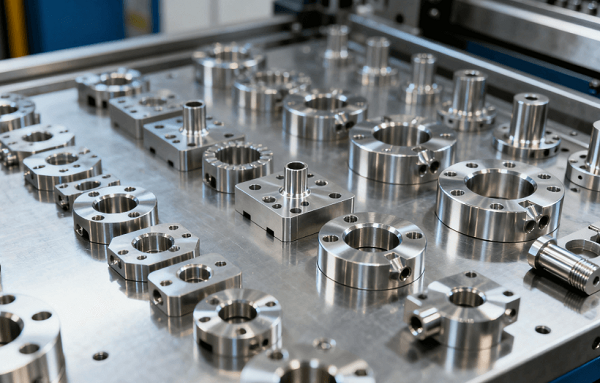
3. Key Industries & Fields for CNC Turning Applications
CNC turning parts and services are indispensable across a wide range of industries, where precision, reliability, and efficiency are non-negotiable. Below are the primary sectors and their specific applications:
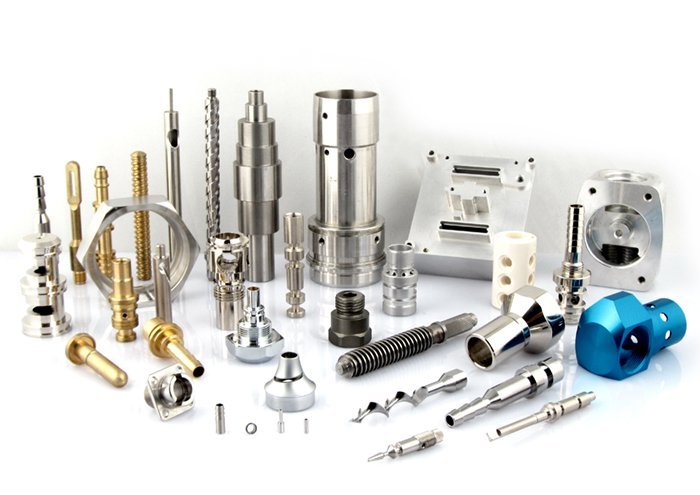
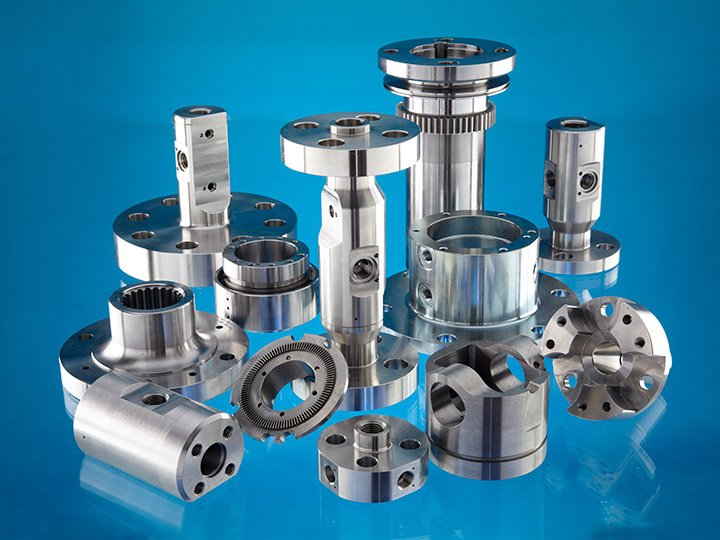
3.1 CNC Machining for the Automobile Industry
The automobile industry relies heavily on CNC turning parts and services for mass-produced, high-precision components. Key CNC turning applications in the automobile sector include engine pistons, transmission gear shafts, steering system parts, hydraulic valves, sensor housings, and throttle control shafts. CNC turning ensures consistent quality across high-volume production, supporting vehicle performance, safety, and durability. It also caters to electric vehicle (EV) needs, such as CNC-turned battery connector components and motor shafts, with strict tolerance control to meet EV performance standards. Our custom CNC turning solutions for automobile industry are tailored to reduce production costs while maintaining precision.
3.2 Precision Parts for Aerospace
Aerospace industry demands zero-defect CNC turning components that can withstand extreme temperatures, pressure, and stress. CNC turning applications in aerospace include turbine components, landing gear parts, aircraft engine shafts, fasteners, and eccentric hollow shafts—often using lightweight, high-strength materials like titanium and aluminum alloys. Our 4/5-axis CNC turning capabilities enable machining of harder materials for critical aerospace applications, ensuring compliance with aerospace industry standards (e.g., AS9100). We specialize in precision CNC turning parts for aerospace, delivering reliability and consistency for mission-critical components.
3.3 Precision Parts for Robot
The robot industry relies on high-precision CNC turning parts to ensure smooth, accurate motion and long-term reliability. Key CNC turning applications in robotics include robot arm shafts, gear hubs, bearing sleeves, actuator components, and sensor mounts. These CNC-turned parts require tight tolerances (as low as ±0.001mm) and superior surface finish to minimize friction and ensure precise positioning, supporting both industrial robots and collaborative robots (cobots). Our CNC turning services for robot industry are optimized to meet the strict precision requirements of robotic components.
3.4 CNC Machining for the Medical
Precision and biocompatibility are critical in medical applications, and CNC turning delivers both for medical industry components. Common CNC turning applications in medical field include surgical instrument handles, orthopedic screws, dental implants, prosthetic components, and medical device connectors. We use FDA-approved materials (e.g., medical-grade stainless steel, titanium) and strict quality control to ensure our CNC turning parts meet medical-grade standards, with tight tolerances to ensure proper fit and function in the human body. Our custom CNC turning services cater to the unique needs of medical device manufacturers.
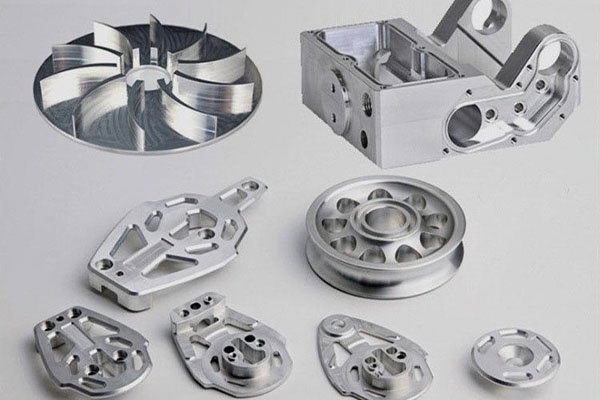
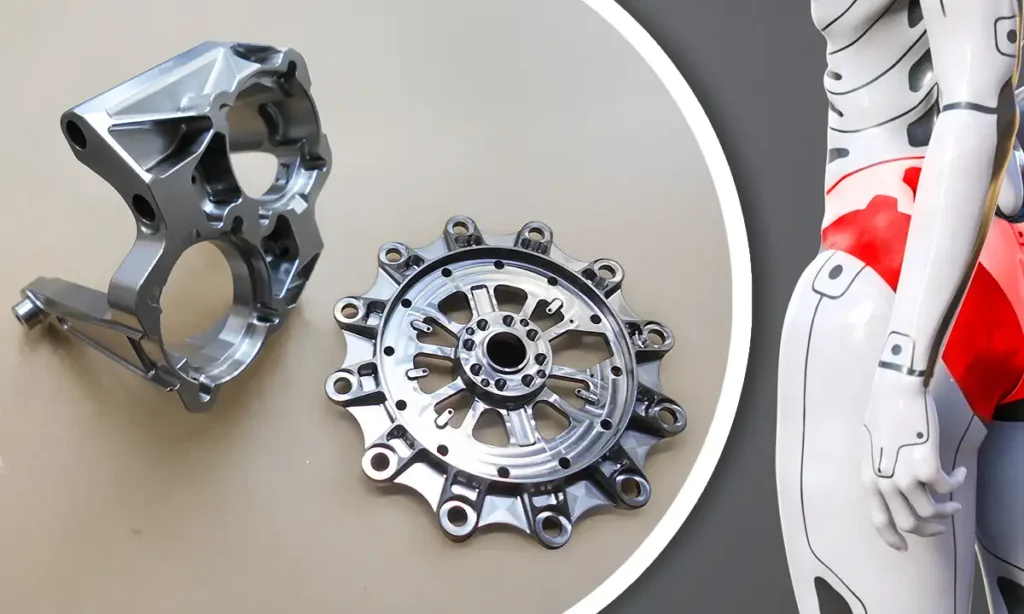
3.5 CNC Machining for the Mechanical
The mechanical industry encompasses a wide range of equipment, all relying on CNC turning parts for reliable operation. CNC turning applications in mechanical industry include pump shafts, valve cores, compressor components, gear shafts, and custom bushings—designed to withstand heavy loads, high speeds, and harsh operating conditions (e.g., high temperature, corrosion). CNC turning ensures these mechanical components have uniform dimensions and high tensile strength, reducing downtime and maintenance costs for industrial machinery. We provide cost-effective CNC turning services for mechanical industry, supporting small-batch and high-volume production.
3.6 Precision Parts for Military & Defense Industry
The Military & Defense Industry requires rugged, high-precision CNC turning components that can perform in extreme environments. CNC turning applications in military and defense include missile components, artillery parts, military vehicle transmission shafts, communication equipment housings, and tactical gear fasteners. These CNC-turned parts are machined from high-strength, wear-resistant materials (e.g., alloy steel, titanium) with strict quality control to meet military standards, ensuring durability and reliability in critical missions. Our CNC turning services for Military & Defense Industry comply with all relevant military specifications.
CNC turning parts and services are indispensable across a wide range of industries, where precision, reliability, and efficiency are non-negotiable. Below are the primary sectors and their specific applications:
4. Advantages of Our CNC Turning Services
Choosing the right CNC turning partner is critical to achieving high-quality parts and efficient production. Our services offer distinct advantages:
- Precision & Consistency: Advanced CNC lathes and strict quality control (ISO/ASME standards) ensure tolerances as tight as ±0.003mm and consistent part quality across batches.
- Versatility: Capable of machining a wide range of materials (metals, plastics, composites) and geometries, from simple to complex parts, including mill-turn capabilities for one-stop processing.
- Efficiency: Optimized programming and automated processes reduce lead times, supporting both small-batch prototypes and high-volume production.
- Customization: Tailored solutions to meet unique design requirements, with engineering support to optimize part design for manufacturability and cost-effectiveness.
5. FAQ: Common Questions About CNC Turning Applications
Q1: What’s the difference between CNC turning and CNC milling?
A1: CNC turning rotates the workpiece while the tool feeds linearly to create rotational shapes (e.g., shafts, bushings), while CNC milling rotates the tool to shape stationary workpieces for non-cylindrical geometries (e.g., housings, complex surfaces). The two processes often complement each other for complex parts.
Q2: What materials can be used in CNC turning?
A2: We work with all common materials, including carbon steel, stainless steel, aluminum, brass, copper, titanium, plastics (ABS, PEEK), and composites—selected based on application requirements like strength, corrosion resistance, and biocompatibility.
Q3: What is the typical lead time for CNC turning parts?
A3: Lead times vary by part complexity, batch size, and material. Prototypes can be delivered in 1-3 days, while high-volume production typically takes 5-10 days. We offer expedited services for urgent orders.
Q4: Can you handle custom CNC turning projects?
A4: Yes. Our team provides end-to-end custom solutions, from design optimization and material selection to machining, surface treatment, and quality inspection, tailored to your specific industry and application needs.
6. Partner With Us for Your CNC Turning Needs
Whether you need standard CNC turning parts or custom solutions, our expertise spans all industries and applications. We combine advanced technology, strict quality control, and customer-centric service to deliver parts that meet your performance, cost, and lead time requirements. Contact us today to discuss your project and get a free quote.